Śrī Dīpāvalī – The Festival of Lights
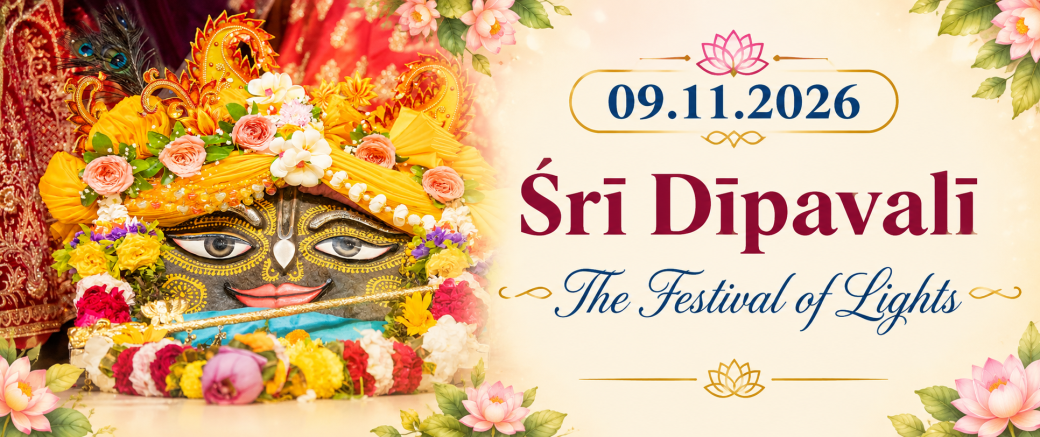
Celebrating the Return of Lord Rāmacandra and the Glories of Offering Lamps to the Supreme Lord
Dīpāvalī, popularly known as the festival of lights, is one of the most auspicious celebrations in the Vedic tradition. The word Dīpāvalī means a row of lamps. Celebrated during the sacred month of Kārtika, this festival commemorates the glorious return of Lord Śrī Rāmacandra to Ayodhyā after fourteen years of exile and His victory over the demon king Rāvaṇa.
Dīpāvalī carries a profound spiritual significance, reminding us of the victory of righteousness over evil and the importance of welcoming the Supreme Lord into our hearts through devotion. Its observance during Kārtika makes it even more special, as this entire month is considered exceptionally dear to Lord Śrī Kṛṣṇa.
The Glorious Return of Lord Rāmacandra
The pastime of Dīpāvalī is connected with the transcendental pastimes of Lord Rāmacandra, the Supreme Personality of Godhead.
Following the instructions of His father, Mahārāja Daśaratha, Lord Rāmacandra accepted fourteen years of exile in the forest. Accompanied by Mother Sītā and His devoted younger brother Lakṣmaṇa, the Lord spent these years demonstrating the highest ideals of truthfulness, sacrifice, compassion and righteousness.
During this period, the demon king Rāvaṇa abducted Mother Sītā and carried Her to Laṅkā. To rescue Her and establish the principles of dharma, Lord Rāmacandra received the devoted assistance of Hanumān, Sugrīva and the vāṇara army. After a great battle, the Lord defeated Rāvaṇa and rescued Mother Sītā, demonstrating the ultimate victory of divine power over material arrogance.
Upon completing His fourteen years of exile, Lord Rāmacandra returned to Ayodhyā with Mother Sītā, Lakṣmaṇa and His associates. The residents of Ayodhyā were overwhelmed with joy at the return of their beloved Lord. They decorated their homes and illuminated the streets with countless oil lamps, transforming the entire kingdom into a radiant celebration of love and devotion.
This joyful homecoming is remembered through the celebration of Dīpāvalī.
Dīpāvalī and the Sacred Month of Kārtika
Dīpāvalī is celebrated during Kārtika Māsa, also known as the month of Dāmodara. In the Vaiṣṇava tradition, Kārtika is regarded as one of the most spiritually beneficial months of the year and is especially dear to Lord Śrī Kṛṣṇa.
This month is particularly associated with the beautiful pastime of Mother Yaśodā binding little Kṛṣṇa with ropes around His waist. Although the Supreme Lord is unlimited and beyond the reach of material understanding, He willingly allowed Himself to be bound by the pure love of His mother. This wonderful pastime reveals that the Supreme Lord is conquered not by wealth, power or knowledge, but by sincere and unconditional love.
During Kārtika, devotees especially worship Lord Dāmodara by offering lamps, singing the Śrī Dāmodarāṣṭaka prayers and remembering His childhood pastimes. The offering of a lamp is a simple yet deeply meaningful expression of devotion, and devotees throughout the world take this opportunity to offer lamps to the Lord throughout the month.
Thus, Dīpāvalī becomes a particularly auspicious occasion within Kārtika, connecting the celebration of Lord Rāmacandra's glorious return with the special observance of offering lamps to Lord Dāmodara.
The Special Glories of Offering Lamps in Kārtika
The offering of lamps during Kārtika is described in Vaiṣṇava scriptures as an exceptionally auspicious devotional activity. The Skanda Purāṇa describes the special spiritual benefits of offering a lamp to Lord Keśava during this sacred month.
The Śrī Dāmodarāṣṭaka, traditionally recited during Kārtika, glorifies the Lord who was bound by Mother Yaśodā's love. In its final verse, Śrīla Satyavrata Muni prays to offer his loving obeisances to Lord Dāmodara by offering a lamp.
The significance of this offering is not merely in the light produced by the flame, but in the devotion and loving intention with which it is offered. Even a small lamp, when offered with a sincere heart, becomes a beautiful expression of surrender to the Supreme Lord.
Some of the spiritual benefits of observing Kārtika include:
-
Purification of the heart: Devotional activities performed during Kārtika help purify the heart and deepen one's attachment to the Supreme Lord.
-
Growth in devotion: Hearing the Lord's pastimes, chanting His holy names and offering lamps encourage sincere remembrance and loving service.
-
Receiving the Lord's mercy: The offering of lamps is an expression of love and devotion through which devotees seek the mercy of Lord Dāmodara.
-
Spiritual advancement: Observing the vows and devotional practices of Kārtika provides an opportunity to strengthen one's spiritual life.
-
Developing loving remembrance: Remembering the Lord's intimate childhood pastimes helps devotees appreciate His sweetness and personal nature.
How Can We Observe Dīpāvalī During Kārtika?
Devotees can make this occasion spiritually meaningful through simple devotional activities:
-
Offer ghee lamps to Lord Dāmodara and sing the Śrī Dāmodarāṣṭaka prayers.
-
Chant the Hare Kṛṣṇa Mahā-mantra and participate in congregational kīrtana.
-
Hear and read the transcendental pastimes of Lord Rāmacandra and Lord Śrī Kṛṣṇa.
-
Offer prayers to Lord Rāma, Sītā Devī, Lakṣmaṇa and Hanumān.
-
Distribute prasādam and share the Lord's mercy with others.
-
Continue the daily observances and devotional vows of the sacred month of Kārtika.
Let the Light of Devotion Illuminate Our Hearts
Dīpāvalī reminds us of the joy experienced by the residents of Ayodhyā when their beloved Lord returned home. Kārtika, meanwhile, reminds us of the extraordinary sweetness of Lord Dāmodara, who willingly became bound by the pure love of Mother Yaśodā.
Both pastimes reveal the same eternal truth: the Supreme Lord is pleased by sincere love and devotion.
As we celebrate Dīpāvalī during this sacred month, let us illuminate our homes with lamps and, more importantly, illuminate our hearts with the light of bhakti. Let us take advantage of this auspicious period to increase our chanting, hearing, service and remembrance of the Supreme Lord.
May Lord Dāmodara and Lord Śrī Rāmacandra bless us with the opportunity to deepen our devotion and engage eternally in Their loving service.
Śrī Dāmodara Bhagavān ki jaya!
Śrī Sītā-Rāma ki jaya!
Śrī Kārtika Māsa ki jaya!
Posted 16 hours ago